PRODUCT
Internal Chassis
Damping
Strips
An invisible yet effective way to eliminate unwanted ringing, buzzing, and rattling from equipment chassis.
Why you need Internal Chassis Damping Strips
Many equipment chassis ring, buzz and/or rattle. Chassis ringing can be especially perceptual. A light rap of a pencil eraser tip on the chassis, or even a hand clap near it will allow this unwanted vibration to be heard. You can stop this by applying our constrained-layer damping strip to the inside of the chassis lid.
Not only does it create airborne energy, but it can transfer mechanical vibrations to electronic components, as well as electrical contacts on the PC board, and/or chassis.
Chassis lids have natural resonant frequency modes like plates. Plates have modes which are not harmonically related to the fundamental mode, and these over-tones are typically much higher than the fundamental. They can vibrate in both clamped and free edge conditions.
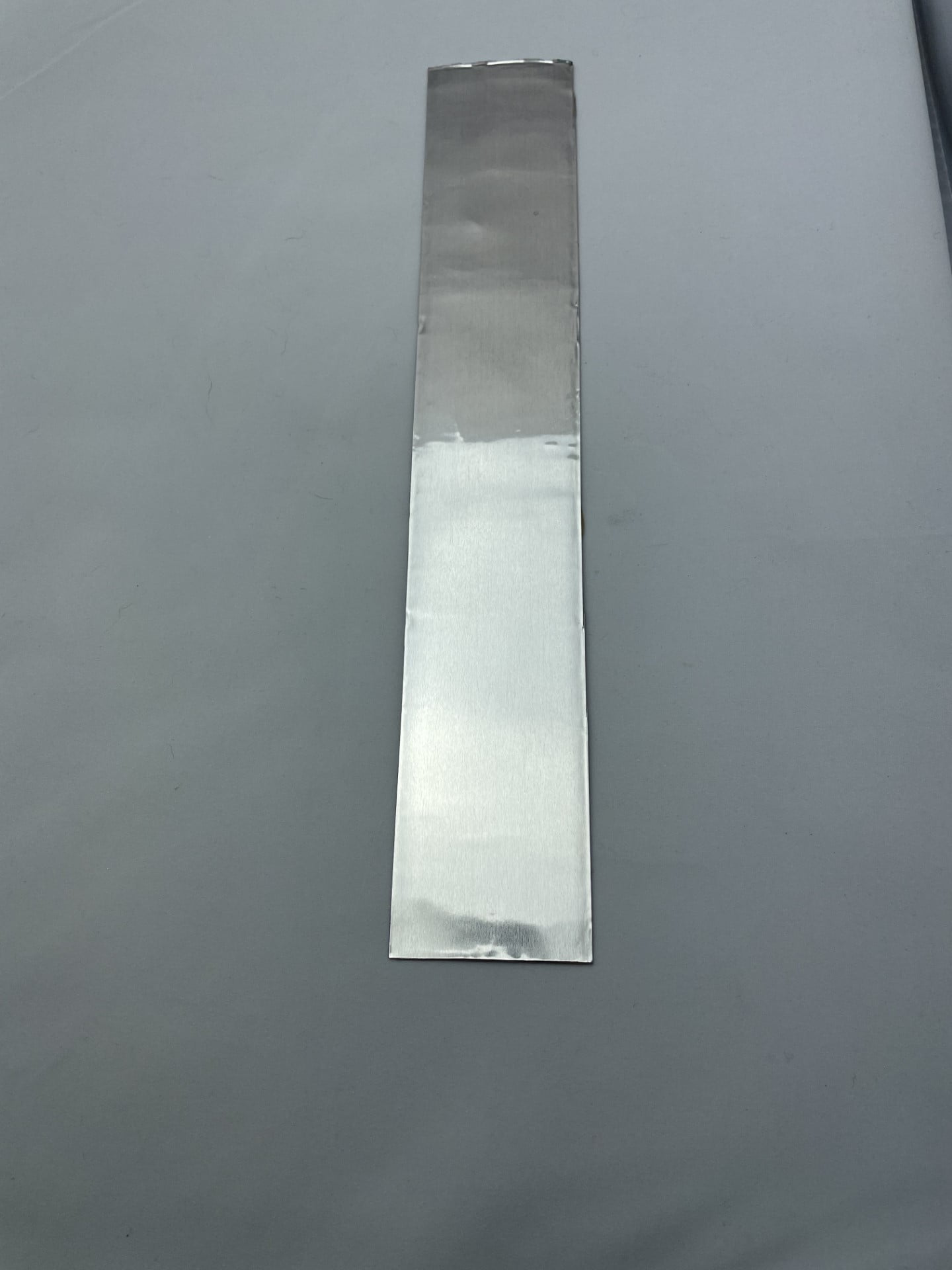
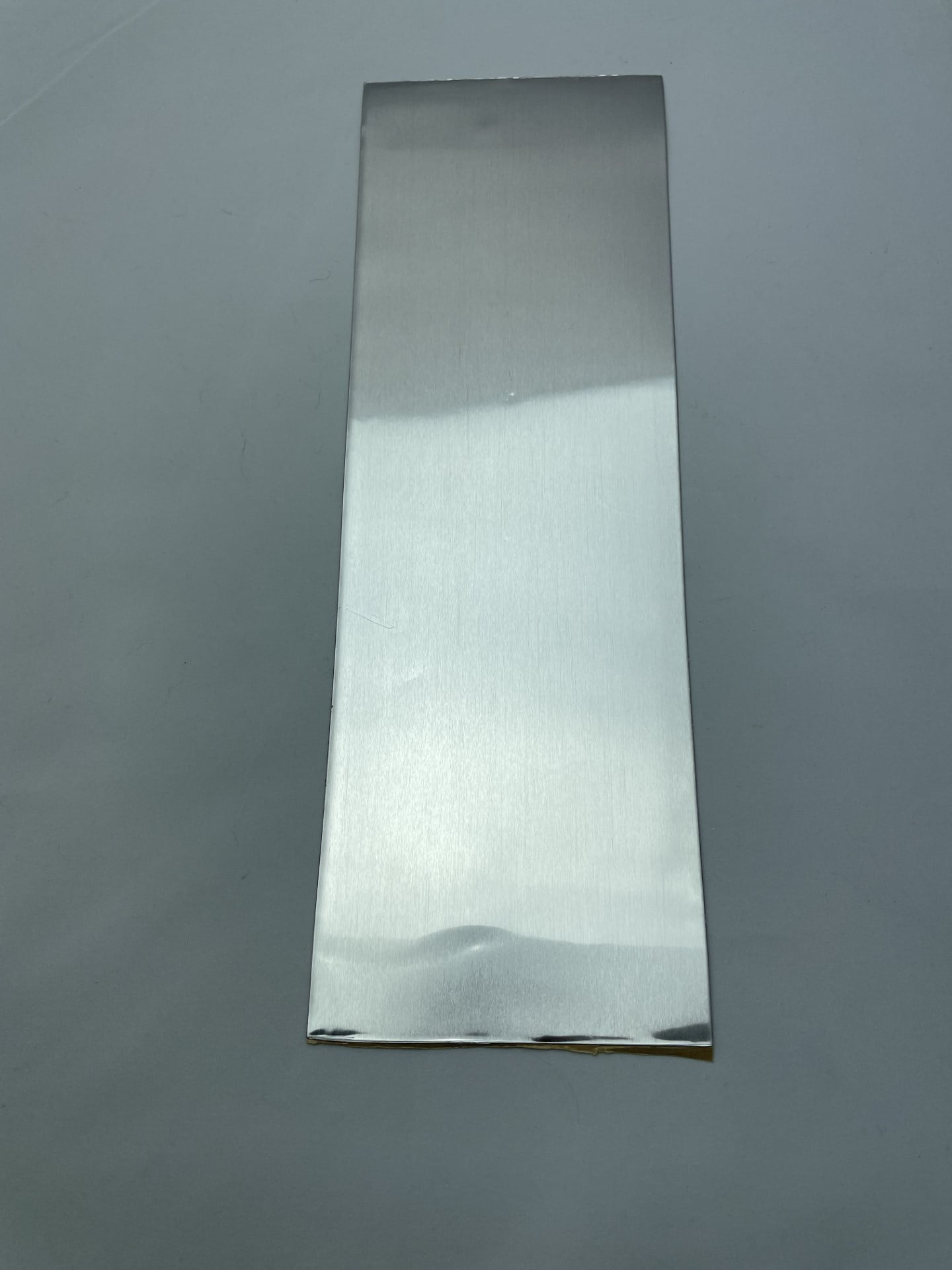
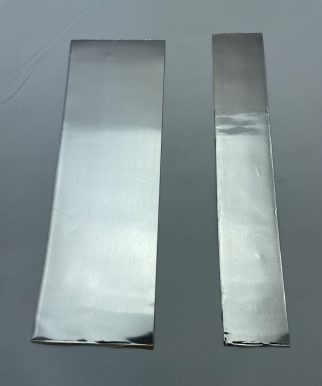
Our Internal Chassis Damping Strips are a constrained-layer of metal backed with a viscoelastic bonding material that prevents deformation of the chassis, thus damping the natural resonance of the chassis and converting the mechanical energy into thermal energy. What was a ring, is now a short thud. In addition, the Internal Chassis Damping Strip acts as an electromagnetic shield keeping stray EMI/RFI fields at bay.
The damping properties of the Internal Chassis Damping Strip were developed and tested using an Oberst beam. The Oberst Beam Method is widely used for the measurement of the mechanical vibration properties of damping materials.
This test method is a classical method based on a multilayer cantilever beam which consists of a base beam and one or two layers of other materials. The beam is excited mechanically, and the movement and duration is recorded via an accelerometer sensor.